We are Water Alamosa Community Exhibit
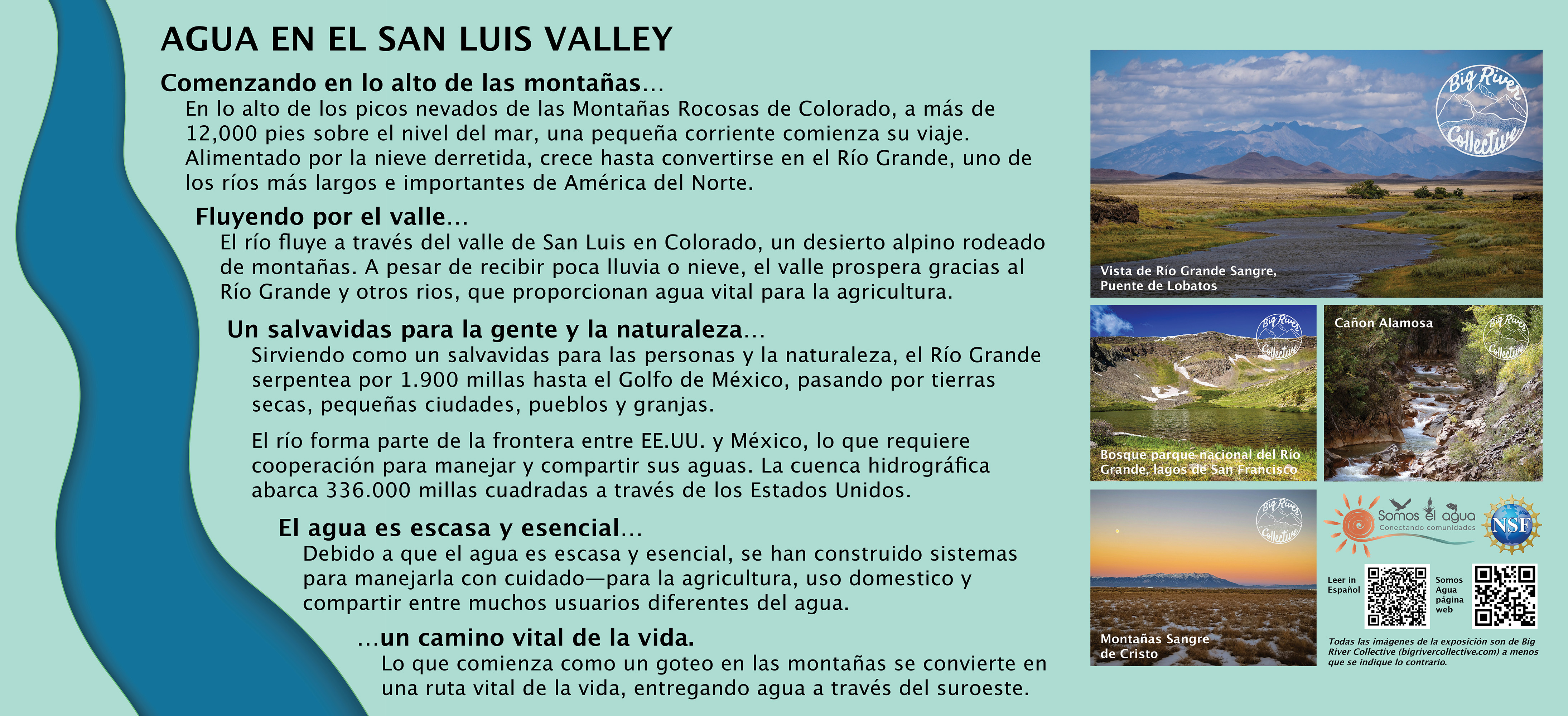
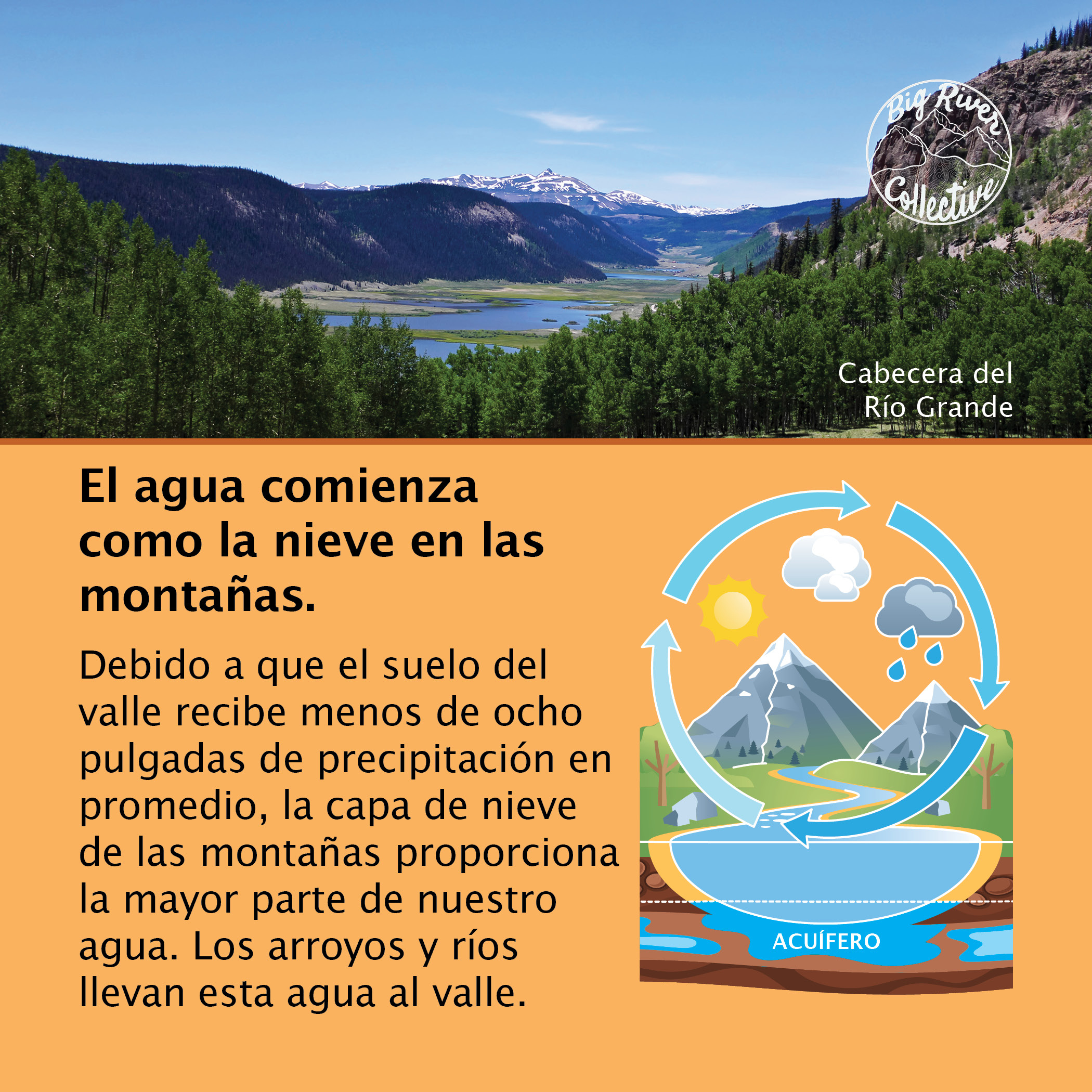
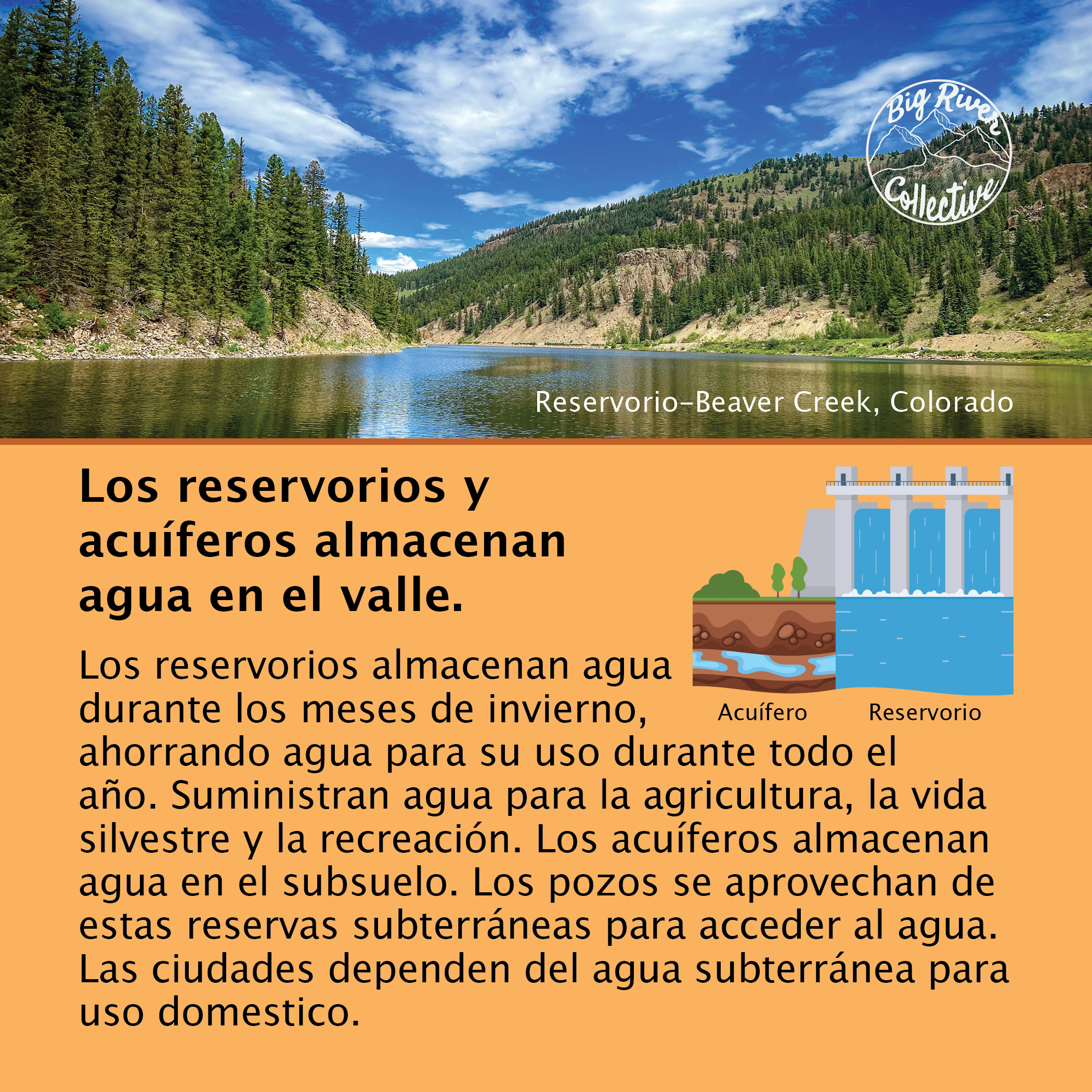
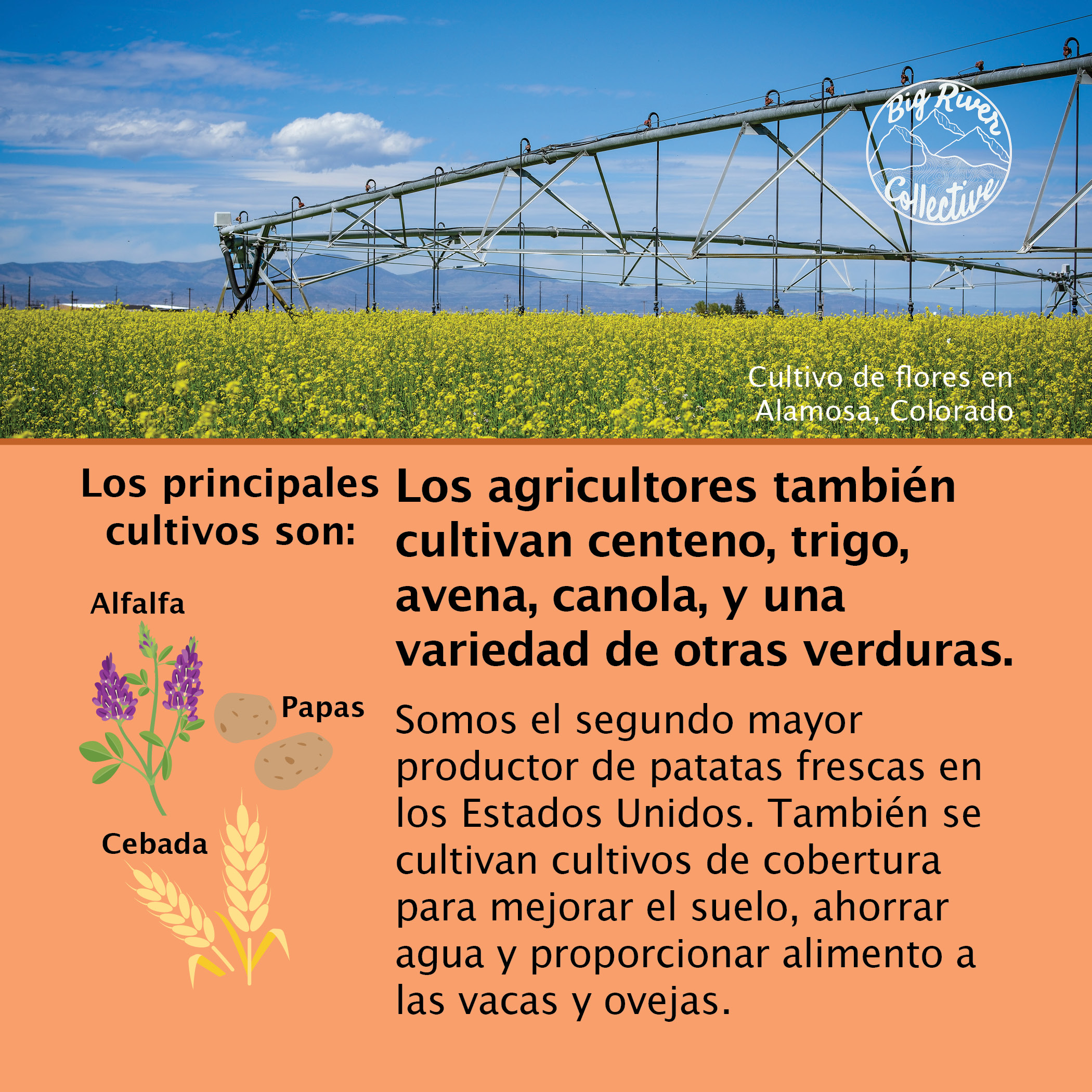
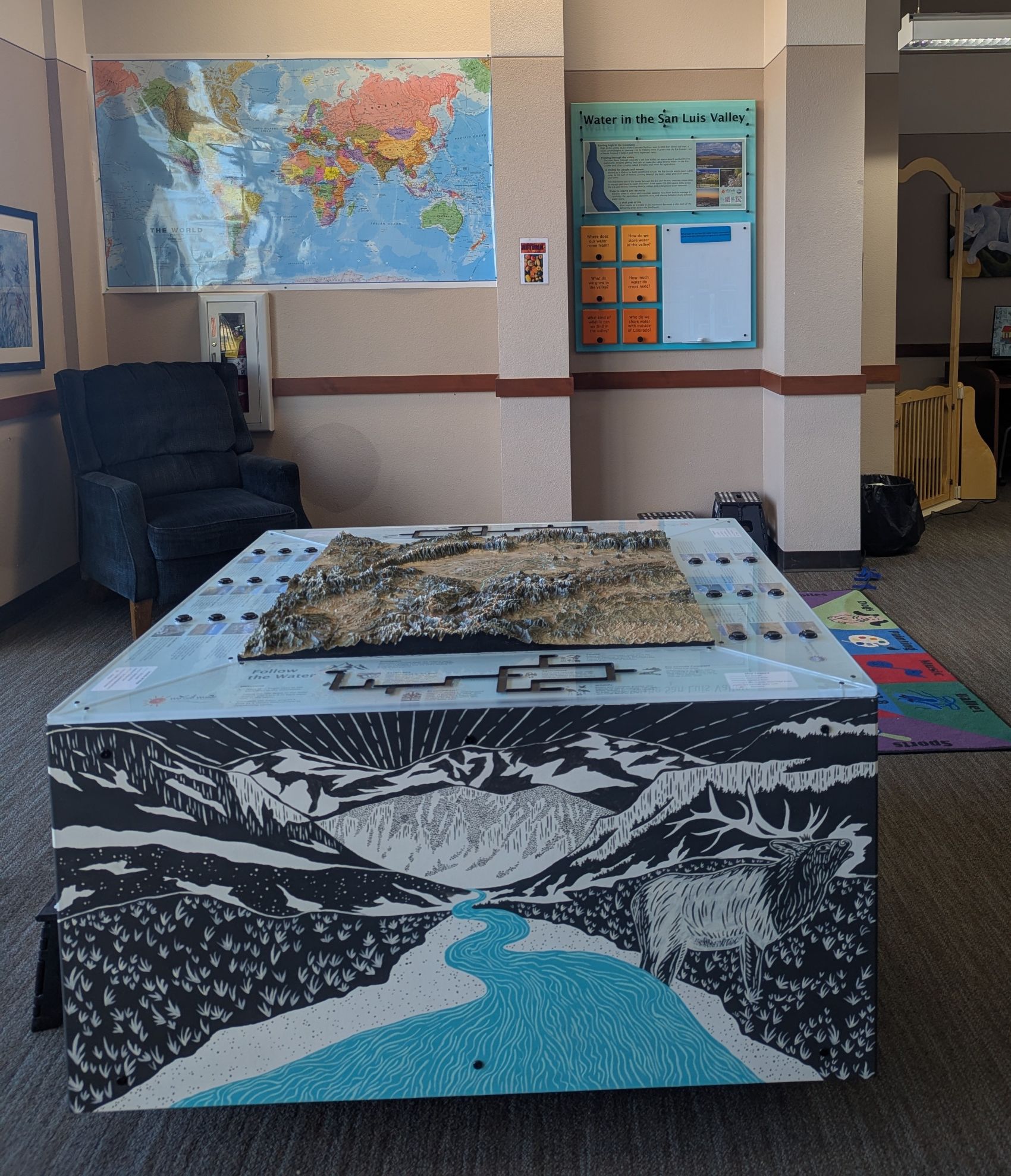
The We are Water Alamosa Community Exhibit is permanently installed at the Alamosa Public Library in Alamosa, Colorado. It features a 3D printed topographic table of the Rio Grande Watershed and an interactive informational wall display about water in the San Luis Valley.
We are Water Alamosa Community Exhibit Acknowledgment
We are Water springs from a collaboration between scientists, Indigenous science educators, learning researchers, informal educators, community members, and library staff.
The exhibit was co-designed by Alamosa community members including: Maria Kramer (Alamosa Public Library), Jocelyn Catterson, Paul Formisano, Amber Pacheco, and Ryan Michelle Scavo and team members of the Cooperative Institute for Research in Environmental Science’s Center for Education, Engagement, and Evaluation.
The following community members also contributed to the exhibit: Andy Rice, Jeff Myers, Cassandra McCuen, Consuelo Reyes, Nate Reynolds, Wylie Keller, Belinda Garcia, and Taylor Applewhite.
This exhibit features the work of two local Alamosa artists:
- Jocelyn Catterson painted the side panels of the table.
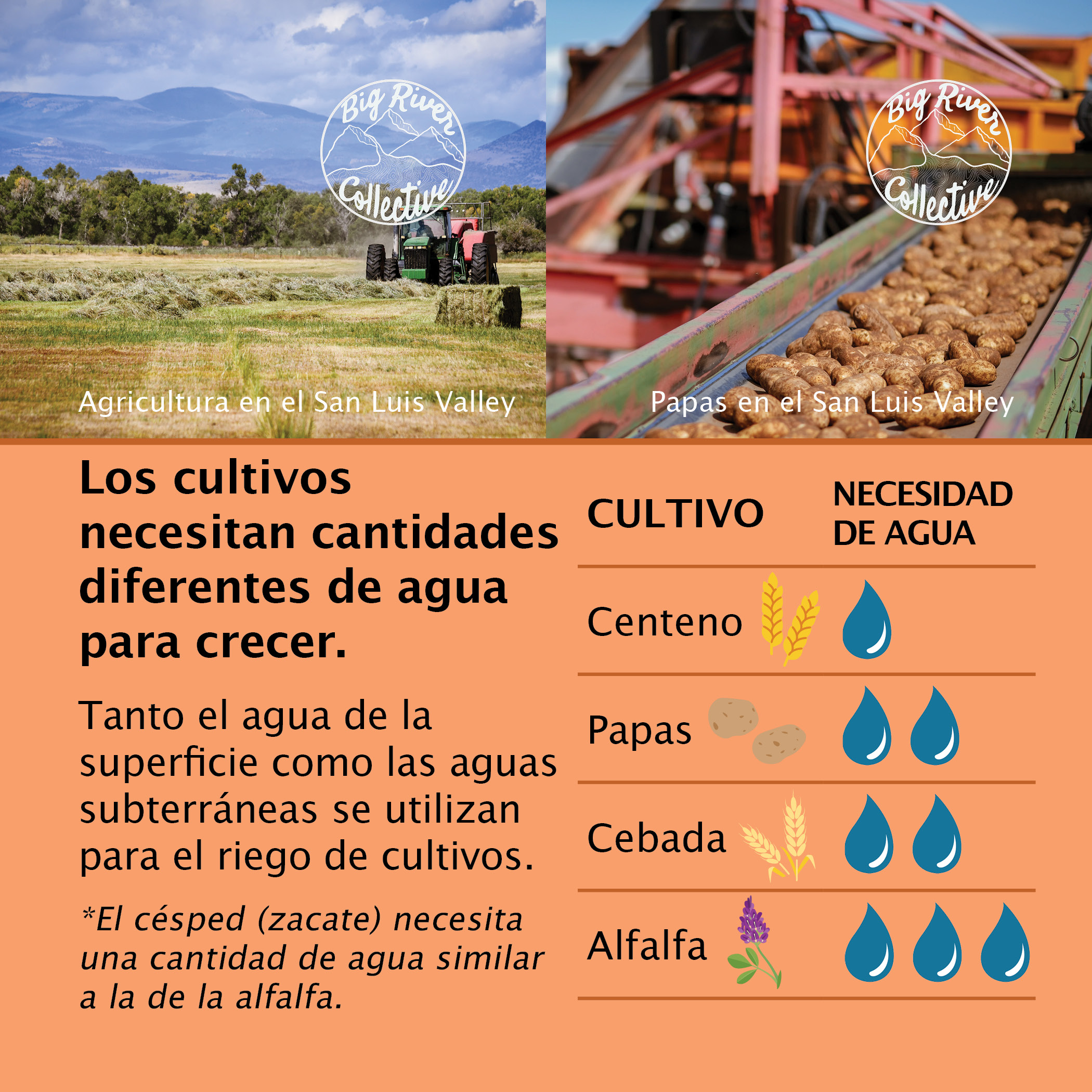
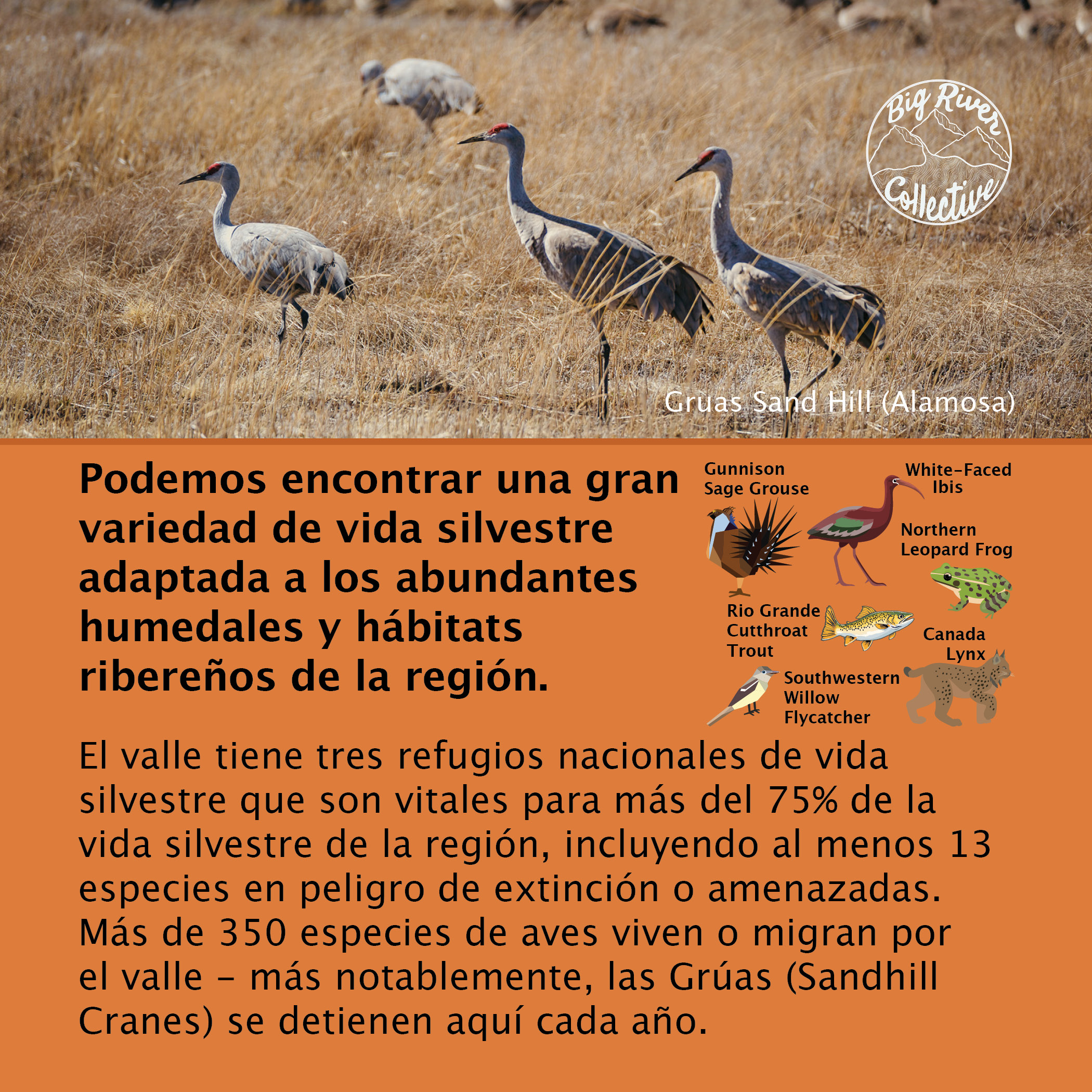
- Ryan Michelle Scavo (Big River Collective) provided all exhibit photographs unless otherwise noted.
The exhibit was built by students at the University of Colorado Boulder: Kate Rooney, Sylvia Robles, Kaia Schiff, and Oliver Murray.
The content of the exhibit was reviewed and edited by members of the Rio Grande Basin Roundtable Education Committee and Western Water Assessment.
The Spanish content was translated by Andrés Arredondo and reviewed by LeRoy and Michelle Salazar.
We are Water is supported by the National Science Foundation (NSF) under Grant Nos. DLR-1907024 and DLR-1906951. Any opinions, findings, and conclusions or recommendations expressed in We are Water are those of the authors and do not necessarily reflect the views of the National Science Foundation.
We honor and acknowledge the traditional territories and ancestral homelands of the Navajo, Jicarilla Apache, Hopi, Zuni, Ute Mountain Ute, Southern Ute, and Pueblo Nations. Their relationship with the land, which we call the Four Corners, continues to this day. The region is also home to descendants of Hispanic and European Americans who first arrived here starting in the 1500’s.
-----------------------------------------------------------------------------------------------------------------------------------------------
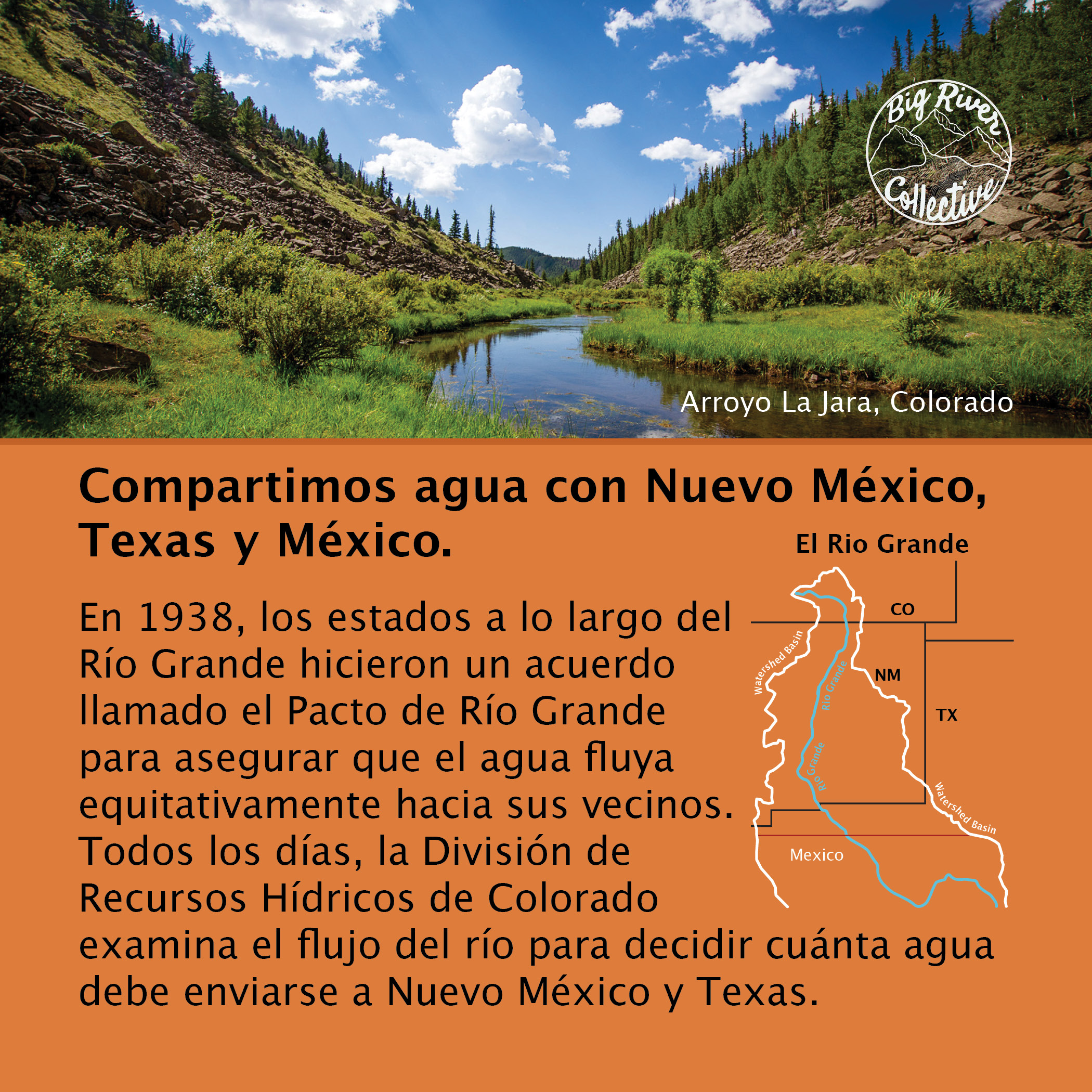
Spanish Content for Information Wall:
Agua en el San Luis Valley: